There is no single right age to start daycare. The best time depends on your work schedule, the support you have at home, and how your child handles change. Many families start in infancy, while others wait until the toddler or preschool years. This guide will help you weigh those choices for your own family.
Is There a Right Age to Start Daycare?
Most families do not start at one specific age. Some begin when a baby is only a few months old, because a parent must return to work. Others wait until a child is a toddler, or until a preschool program better fits their routine. Each path can work well when the care is warm, steady, and a good match for the child.
What Should You Consider About Your Work Schedule?
Start with the hours you need. Do you work full days, shifts, or a few days each week? Think about your commute and how long it takes to drop off and pick up. A program that fits your hours makes mornings and evenings calmer for everyone.
Also think about flexibility. Some jobs allow you to leave early when a child is sick. Others do not. Ask yourself how often you may need a backup plan, and who could step in when you cannot.
How Much Family Support Do You Have?
Family support can change the timing of your decision. Grandparents, relatives, or trusted friends may help with care for part of the week. If that help is steady, you may have more time before starting daycare. If the help is occasional, a regular program may bring more stability.
Be honest about what support really looks like. A plan that depends on one person can change quickly. A daycare with set hours and a clear daily routine can give you a dependable base, even when other plans shift.
How Does Your Child Handle Change?
Every child reacts to new people and places in a different way. Some children warm up quickly. Others need more time, a familiar object, and a few short visits before they feel safe. Think about how your child has handled past changes, such as a new sitter, a new room, or a move.
Children who are curious and social may enjoy group play sooner. Children who are shy or sensitive to noise may need a slower start. Neither style is wrong. The goal is to match the pace of the transition to your child's needs.
What Changes for Babies?
Infants need close, responsive care. They benefit from a caregiver who learns their feeding, sleep, and comfort cues. Ask how infant rooms handle daily routines and communication with parents. Sign language is one tool some programs use with infants and toddlers, and it can help babies share what they need.
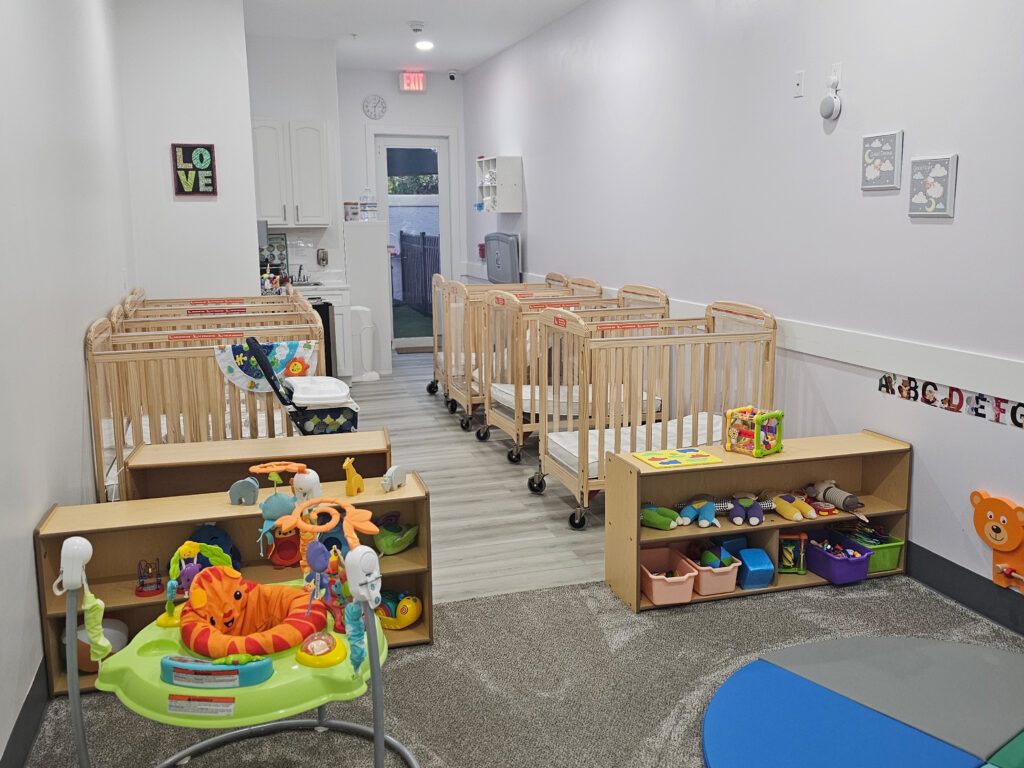
If you are thinking about infant care, look at how the room is set up and how caregivers talk to babies during the day. Ask how you will receive updates about feeding, naps, and diaper changes. A simple daily report can help you feel connected while you are at work.
What Changes for Toddlers?
Toddlers are busy, curious, and learning to speak. They often enjoy group play, simple routines, and time outdoors. Many toddlers also go through strong feelings about separation, so a calm drop-off routine helps. Ask about how the day is structured, including play, meals, rest, and outdoor time.
Toddlers often adjust better when parents and caregivers share a plan. Talk with the teachers about what helps your child settle and what to do when tears come. Small, consistent steps usually work better than long goodbyes.
What Changes for Preschool-Age Children?
Preschoolers usually enjoy friends, stories, and early learning activities. Many are ready for a more structured day with set times for play, circle time, and outdoor play. This is a common age for families to consider a preschool program that offers learning goals along with care.
At this age, you may also think about school readiness. Ask how the program supports early literacy, math ideas, and social skills. Look for a day that balances guided learning and free play, so your child gets both.
Is VPK Part of the Decision?
VPK, or Voluntary Pre-Kindergarten, is offered for eligible Florida four-year-olds. Our program offers VPK through a partnership with the Early Learning Coalition. VPK is free for eligible families, and the paperwork takes time, so plan early. Ask the staff about the steps and what documents you will need.
If your child is turning four, compare VPK with other options before you decide. Think about the hours, the classroom setting, and how the day fits your work schedule. The right choice depends on your family, not on a single rule.
What Should You Ask Before You Decide?
Bring a short list of questions when you visit any program. Ask about daily routines, outdoor time, meals, and how staff communicate with parents. Ask how the program handles sick days and changes in schedule. Ask what happens when a child struggles to settle, and how the teachers respond.
How Can You Ease the Transition?
Plan a few short visits before the first full day. Bring a comfort item from home and talk about daycare in a calm, positive way. Keep goodbyes short and consistent, even if your child cries. Many children settle within a few weeks when the routine stays the same.
Where Does Our Program Fit In?
My First Place Academy is a bilingual English-Spanish daycare and preschool in Port St. Lucie. We offer programs for infants, one-year-olds, two-year-olds, three-year-olds, four-year-olds, and VPK. We also provide before and after school care and summer camp. Learn more about our programs for every age to see which one fits your family.
Parents are welcome to tour the school at any time during open hours. Our owners, Veronica and Aracelly Forero, are involved in the day-to-day life of the school. If you want a checklist for your visit, read our guide to infant child care tour questions before you come in.
Questions About Your Child's Health?
This guide shares general information only. If you have questions about your child's health, development, or nutrition, talk with your pediatrician. They know your child's history and can give advice that fits your family.
How Do You Plan a Visit?
The best way to decide is to see the school in person. Call or stop by during open hours, which run Monday to Friday, 6:30am to 6:00pm. Bring your questions and your child if you can. Watch how the staff greets children and how the day flows.
Ready to talk about your family's timing? Call (772) 446-4011 to ask about a tour and the programs that fit your child's age. Our team is happy to answer your questions and help you plan the next step.
Frequently Asked Questions
What is the best age to start daycare?
There is no single best age. The right time depends on your work schedule, family support, and how your child handles change. Many families start in infancy, while others wait for the toddler or preschool years.
How do I help my child adjust to daycare?
Visit a few times before the first full day, bring a comfort item, and keep goodbyes short and consistent. Most children settle more easily when the routine stays the same.
What is VPK?
VPK, or Voluntary Pre-Kindergarten, is offered for eligible Florida four-year-olds. Our school offers VPK through a partnership with the Early Learning Coalition. Ask our staff about the steps to apply.
Can I visit the school before enrolling?
Yes. Parents are welcome to tour during open hours, Monday to Friday, 6:30am to 6:00pm. Call (772) 446-4011 to ask about a visit.
Call (772) 446-4011 to plan a visit
Call My First Place Academy or schedule a tour and see the classrooms in use.