
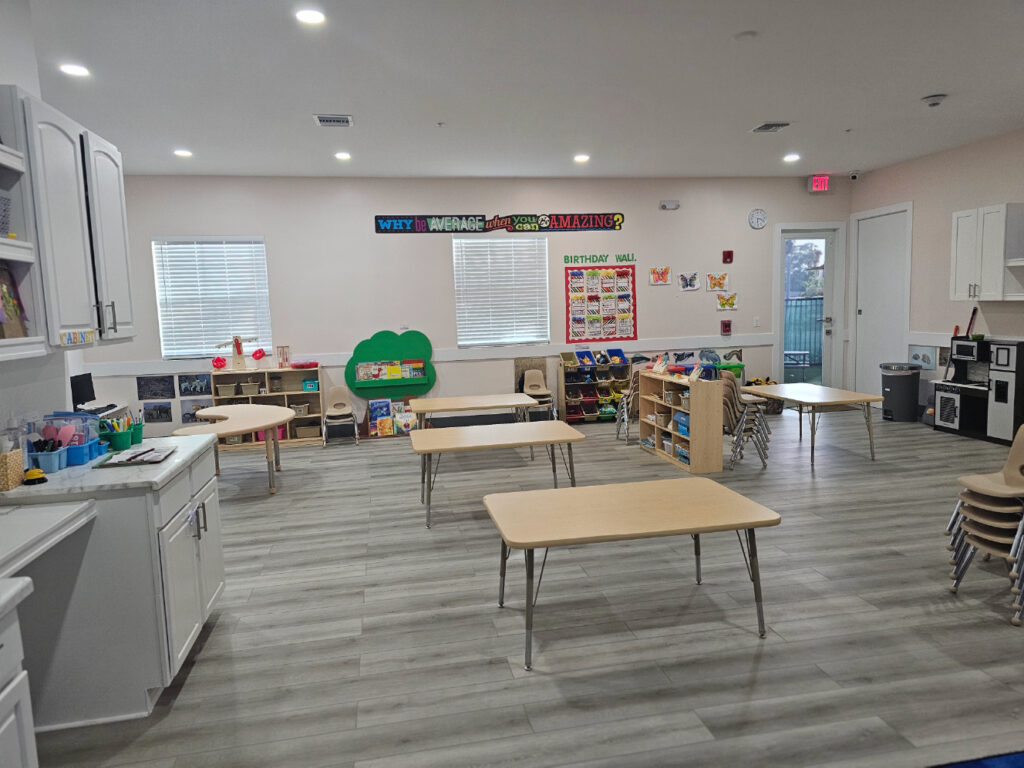
The first week of daycare can feel big for both of you. Most children settle in over several days, with short goodbyes, familiar routines, and a teacher who becomes a trusted adult. Knowing what to expect helps you stay calm, and your calm helps your child feel safe.
Before the First Day
Preparation makes the first morning smoother. If the program allows it, visit the classroom with your child. Walk through the drop-off path, the parking area, and the classroom door. Parents are welcome to tour, so ask for a visit before you enroll.
If you are still comparing options, our child care tour checklist lists questions to ask on a visit. Bring them with you so you can compare each program on the same points.
What to Pack and Label
Pack a change of clothes that is easy to pull on, and label everything with your child's name. Include a bag for wet or soiled items. Ask the program what it provides and what you need to bring, since needs can vary by age group.
A familiar comfort item can ease the day. Some classrooms ask families to leave toys at home so nothing gets lost or shared. Ask about this on your visit so you know what to send.
Short Goodbyes Help Most
Goodbyes can feel hard, but short ones tend to work best. Say what you are doing, give one clear hug, and leave with a warm word. Lingering can make the moment longer and harder for everyone.
Your child may cry for a few minutes after you leave. This is common in the first days. Most children calm down once they join an activity or begin a familiar routine. Ask the teacher how they handle drop-offs during your visit, so you know what the first minutes will look like.
Learning the Daily Routine
Young children do best with predictable days. Daycare routines usually include arrival, play, meals, rest, and outdoor time. A steady schedule helps children know what comes next, which can reduce stress for both children and parents.
Ask for the daily schedule during your visit. Knowing when meals, naps, and playtime happen helps you match home routines to school. Consistent routines at home and at school can make the transition easier.
Meals are coordinated with the Florida Department of Health. Ask about meal times, snacks, and any food needs your child has, so the teachers and you are on the same page from day one.
Shorter Days at First
Some children start with shorter days while they settle in. This is a normal part of the transition. Ask whether a shorter start is possible for your child and how the days will lengthen over the first week.
Watch how your child feels at pickup. A tired or quiet child may need extra rest at home. Plan a calm evening and a simple dinner so your child has room to unwind.
How Teachers Share Updates
Parents want to know how the day went. Ask how teachers share updates about meals, naps, activities, and mood. Clear communication helps you feel connected even when you are at work.
Owners Veronica and Aracelly Forero are involved day to day at My First Place Academy, so your questions can reach people who know the program well. Ask the best way to reach your child's teacher during the day.
Bilingual Learning and Sign Language
A bilingual English-Spanish program can be a big part of your child's first week. Children hear both languages through songs, stories, and daily routines. Ask how teachers use English and Spanish during the day and how they help each child feel understood.
Sign language is used with infants and toddlers. Simple signs can give a young child a way to share what they need. Ask your child's teacher which signs are used so you can practice them at home.
Safety and Peace of Mind
Feeling safe helps your child settle. Ask about the building's security features on your visit. My First Place Academy has video-monitored premises and a closed-circuit intercom between classrooms. The site also has private parking and a synthetic-turf playground.
Check how you will sign your child in and out each day. Ask about pickup procedures and who is allowed to collect your child. Clear answers help you feel calm when you leave for work.
Schedules and Program Options
The program is open Monday to Friday, 6:30am to 6:00pm. Programs run for infants, one, two, three, and four year olds, plus VPK, before and after school care, and summer camp. Ask which option fits your family's schedule.
You can explore each option on our programs page. VPK is offered through a partnership with the Early Learning Coalition, and it is free to eligible Florida four-year-olds. Ask about eligibility and the steps to enroll so you have the full picture.
Give the First Week Time
Plan to check in with your child's teacher at the end of the day. Ask one or two simple questions, such as how lunch went or how your child joined play. Short questions help busy teachers and give you useful answers.
Give the first week time. Some children settle within a few days, and others take a bit longer. Both patterns are normal. Stay steady and consistent, and keep your goodbyes short.
Ready to visit or ask questions? My First Place Academy is a bilingual English-Spanish daycare and preschool in Port St. Lucie. Call (772) 446-4011 to ask about the program or schedule a visit. Parents are welcome to tour, and the team is glad to talk through the daily schedule and any questions you have.
Frequently Asked Questions
How long does it take a child to settle into daycare?
Every child is different. Some settle within a few days, and others need more time. Consistent drop-offs and calm goodbyes help most.
Should I stay until my child stops crying?
Usually a short, warm goodbye works best. Ask the teacher how they handle drop-offs and how they will let you know how your child is doing.
What should I ask on a tour?
Ask about the daily schedule, how teachers share updates, meal times, safety features, and pickup procedures. Parents are welcome to tour.
Is VPK free?
VPK is free to eligible Florida four-year-olds. It is offered through a partnership with the Early Learning Coalition. Call (772) 446-4011 to ask about eligibility.
Call to schedule a visit
Call My First Place Academy or schedule a tour and see the classrooms in use.