Kindergarten readiness is about more than letters and numbers. It is built day by day through routines, play, listening, sharing and conversation. A good daycare or preschool program supports all of these from infancy through the pre-K years. Here is how that growth happens and what you can look for as a parent in Port St. Lucie.
Many parents wonder when to start thinking about kindergarten. The honest answer is that preparation starts long before the first school day. Each stage builds skills the next one needs. Your child does not need to master anything by a certain age. Steady progress in a caring place matters most.
Routines Teach Children How School Works
Kindergarten days follow a rhythm. There is a time to arrive, a time to sit, a time to clean up and a time to rest. Children who are used to routines find these shifts easier. A daycare day with set times for meals, play, story and nap gives your child practice with that same rhythm.
Routines also teach independence. Washing hands before meals, putting shoes in the cubby and carrying a bag are small skills. They build confidence. Ask the program how teachers guide children through daily routines, and how they help children who need more time.
Listening and Following Directions
In kindergarten, children often follow multi-step directions. Get your folder. Sit on the rug. Wait for your name. Listening skills grow when a child hears clear, calm instructions many times a day. Teachers who use short steps, visual cues and simple words help children practice this skill.
At home, you can practice too. Give two-step directions during play, such as pick up the blocks and bring me the red one. Praise your child when they follow through. Short, positive practice adds up over time.
Sharing, Turn-Taking and Friendship
Learning to share is one of the most important social skills in early childhood. Children learn turn-taking by playing side by side and with friends. They practice waiting, asking, trading and solving small disagreements. These moments can be messy, and that is normal. Each one teaches a lesson about how to work with others.
Look for a program where teachers coach children through conflicts instead of only stopping them. A calm adult can help a child name feelings, find words and try again. Children who learn these skills early often feel more at ease in a new classroom.
Early Literacy: Talking, Singing and Reading
Early literacy starts long before a child can read. It grows through talking, singing, rhyming and listening to stories. When adults name objects, ask questions and describe what they see, children build vocabulary. Rhyming games help children hear the sounds inside words. Story time shows them how books work, from turning pages to following a story from start to finish.
A bilingual setting can add another layer. Children who hear two languages often build strong listening skills and a wide vocabulary. Ask how the program uses both languages during reading and conversation time.
Early Math in Everyday Play
Math readiness grows through simple, hands-on play. Sorting toys by color, counting snacks, stacking blocks and comparing sizes all build number sense. Children also learn words such as more, less, bigger and first. These ideas show up in kindergarten lessons every day.
You can support this at home too. Count the stairs as you climb them. Ask your child which pile has more crackers. Let them help measure ingredients when you cook. Real-life math feels like play, and it sticks.
Sign Language and Early Communication
Some programs use sign language with infants and toddlers. Simple signs for more, eat, milk or all done can help babies communicate before they speak. This can reduce frustration and give children a way to share their needs. As speech grows, signs often fade on their own. Ask the program how they use signs in the daily routine.
Preparing for the VPK Year
For many families, the VPK year is a key step before kindergarten. VPK is free for eligible Florida four-year-olds. My First Place Academy offers VPK through a partnership with the Early Learning Coalition. For details on how VPK works in St. Lucie County, read our guide to VPK in St. Lucie County.
What to Look for on a Tour
- Daily routines that are steady but not rigid.
- Teachers who speak to children at eye level and explain what is happening.
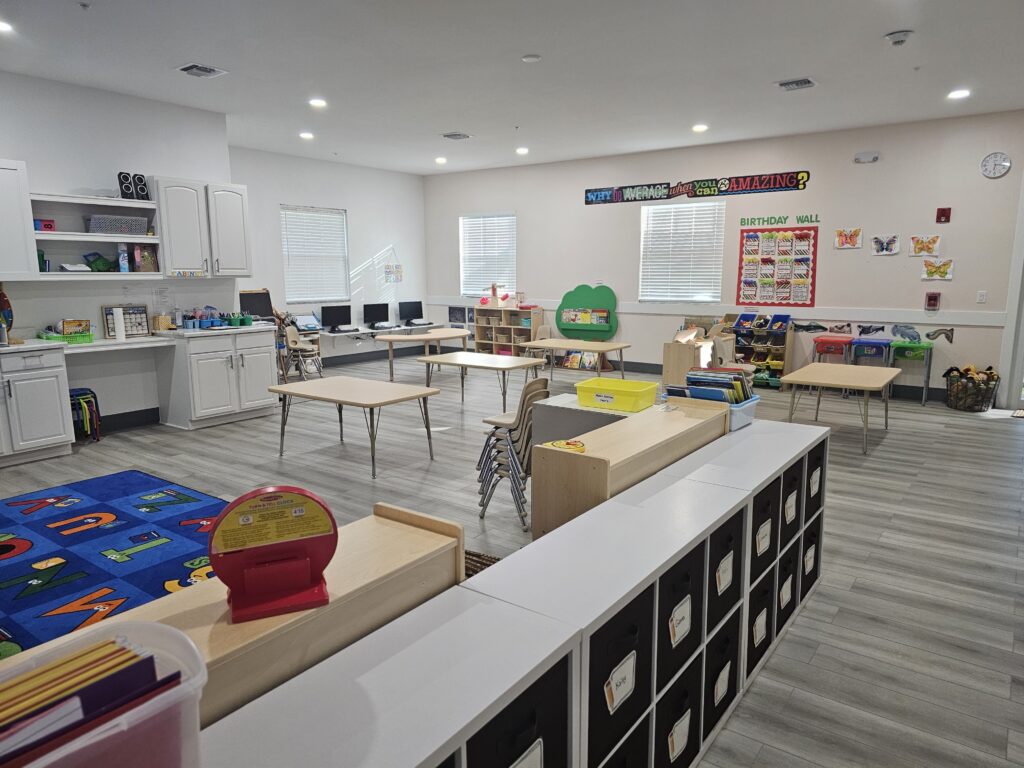
- Books, music and letters that are visible and used in play.
- Clean, safe spaces where you can see the classrooms clearly.
- Outdoor play with a mix of active and quiet choices.
Safety and Communication You Can See
When you visit, look for the features that matter most to you. My First Place Academy has video-monitored premises, a closed-circuit intercom between classrooms and private parking. The playground has synthetic turf. Parents are welcome to tour, and the open-door policy invites visits. Seeing a classroom in action tells you more than any brochure can. Before you visit, review our programs for each age group so you know what to ask.
Questions to Ask Before You Enroll
- How do you support children who are shy or find transitions hard?
- How are the two languages used in the classroom?
- What does a typical day look like for my child's age group?
- How do you share updates with parents?
- How are meals planned, and how do you handle allergies?
My First Place Academy is a bilingual English-Spanish daycare and preschool in Port St. Lucie. Owners Veronica and Aracelly Forero are involved day to day. We are open Monday to Friday, 6:30am to 6:00pm. To learn more or ask about a tour, call (772) 446-4011. Ask us whether a spot is open, and bring your questions about your child's next steps.
Frequently Asked Questions
When should I start preparing my child for kindergarten?
Preparation starts early. Routines, listening, sharing and early conversation build skills over time. Your child does not need to master anything by a set age.
Does bilingual daycare hurt a child's English?
Children who hear two languages often build strong listening skills and a wide vocabulary. Ask the program how each language is used during reading and conversation time.
Is VPK free?
VPK is free for eligible Florida four-year-olds. My First Place Academy offers VPK through a partnership with the Early Learning Coalition. Call to ask about your child's eligibility.
Call (772) 446-4011 to ask about a tour
Call My First Place Academy or schedule a tour and see the classrooms in use.