A daycare tour tells you more than any brochure can. Watch how the teachers speak to children, how the rooms feel, and how openly the staff answer your questions. Green flags are signs of a calm, caring place. Red flags are signs to ask more questions or keep looking.
Start With the Feeling in the Room
When you walk in, pause for a moment. Notice the noise level. A busy room can still be a happy room. Children should look engaged, comfortable, and safe. If the room feels tense, rushed, or chaotic, take that feeling seriously.
Think about how you feel as a parent. Do you feel welcome? Can you picture your child here on a normal morning? Trust that reaction, then use the rest of the tour to check it.
Green Flags: Teacher Tone and Interaction
Listen to how the teachers talk with the children. Calm, warm voices are a good sign. Teachers who get down to a child's level and speak with them by name show real attention. Watch for patience during a difficult moment, like a spill or a tantrum. A steady response is a strong green flag.
Sign language and simple routines also matter. In infant and toddler rooms, ask whether caregivers use sign language to help babies communicate. Clear routines for meals, naps, and diaper changes help young children feel secure.
Red Flags: Tone and Pressure
Red flags often show up in the tone of the room. Teachers who sound harsh, sarcastic, or dismissive are a concern. Be careful if children seem afraid to ask for help or hide when a teacher walks by. Staff who rush you, avoid your questions, or push you to decide on the spot may not be the right fit.
Pay attention to the way staff talk about other families and children, too. Respectful language shows respect for the whole community. Gossip or complaints about children in front of you are a red flag.
Green Flags: Clean and Open Spaces
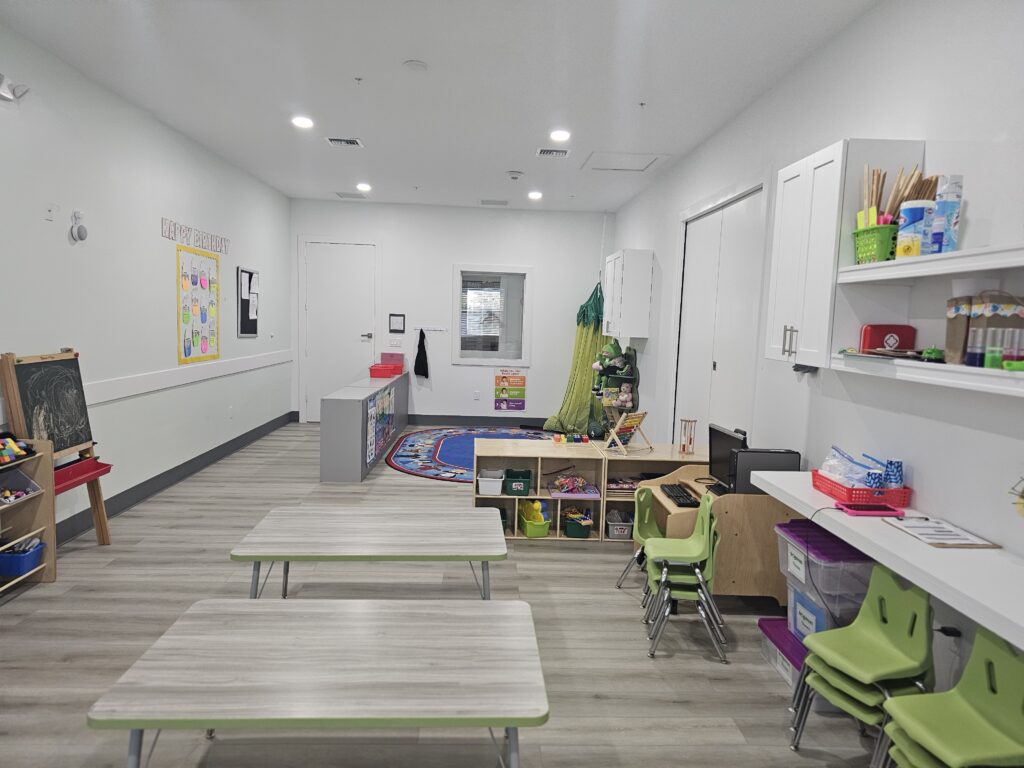
Clean rooms show care for children's health and daily life. Look at the floors, tables, toys, and bathrooms. Check that toys are in good repair and that supplies are stored safely. Look for clean, organized spaces where children can explore without clutter.
Good daycares keep their spaces open to families. Parents are welcome to tour, and an open-door policy invites visits. Ask how you can drop in or visit during the day. A center that welcomes questions and visits is showing you something important.
Red Flags: Closed Doors and Hidden Spaces
Be cautious if staff keep doors closed or limit where you can look. Ask why a room is off-limits. A good answer is clear and simple. A vague or defensive answer is a reason to ask more questions. Also watch for rooms that look neglected, with broken toys, stained furniture, or blocked exits.
Safety and Security Questions to Ask
Ask how the building keeps children safe during the day. Find out about check-in and check-out routines, who can pick up a child, and how the staff confirms identity. Ask whether the premises are video-monitored and how the closed-circuit intercom between classrooms works. Also ask about parking, drop-off, and the outdoor play area. A synthetic-turf playground can be an easy-to-clean option, so ask how it is maintained.
Health and Meals
Ask how meals are planned and how the center works with the Florida Department of Health on food safety. Ask how staff handle illness, medicine, and allergies. A good center will answer these questions clearly and in writing. If you have a specific health question about your child, talk with your child's doctor. A tour is a good time to ask how the center communicates with families about health.
Ask Honest Questions and Listen to the Answers
Honest answers are a major green flag. Ask about daily routines, learning activities, and how the teachers handle big feelings. Ask what a typical day looks like for a child your child's age. Staff who say "I don't know, let me find out" are showing you they are honest. Staff who always have a perfect answer may not be telling you the whole story.
Ask about the bilingual approach too. Ask how English and Spanish are used during play, meals, and stories. Ask how a child who speaks only one language is supported.
Ask About Programs and Schedules
Programs for infants, one-year-olds, two-year-olds, three-year-olds, four-year-olds, VPK, before and after school care, and summer camp may all be available. Ask which program fits your child's age and your work schedule. Ask how drop-off and pickup times work. The center is open Monday to Friday, from 6:30 AM to 6:00 PM. Call to ask about availability, since openings can change.
Compare Two Tours Fairly
If you tour more than one center, use the same list for each visit. Score each place on tone, cleanliness, openness, safety, and honesty. Notice how you felt at the end of each visit. Write down your notes soon after you leave, while the details are fresh. Waiting to decide until you have compared your notes often leads to a better choice.
Try to visit at a normal time of day, such as mid-morning. That shows you the real pace of the room. A quick tour during nap time can hide how the day really runs.
Questions to Bring on Your Tour
- How do you handle a child who is upset at drop-off?
- What does a typical day look like for my child's age?
- How do you communicate with parents each day?
- How are meals planned, and how do you handle allergies?
- How do you keep the building secure during the day?
- Can I visit again without an appointment?
About My First Place Academy
My First Place Academy is a bilingual English-Spanish daycare and preschool in Port St. Lucie. Our owners, Veronica and Aracelly Forero, are involved day to day. Complete bilingual immersion happens in every classroom, from infant care through VPK. We serve families from Port St. Lucie, Fort Pierce, St. Lucie West, Tradition, White City, Lakewood Park, Jensen Beach, Palm City, Port Salerno, Stuart, and Indiantown.
You can learn more about our day-to-day approach on our tour page. To read about how we keep the center safe and clean, visit our health and safety page.
Ready to see the difference for yourself? Call (772) 446-4011 to schedule a visit and ask about availability. We are open Monday to Friday, 6:30 AM to 6:00 PM, and we would love to show you around. VPK is offered through a partnership with the Early Learning Coalition, and it is free to eligible Florida four-year-olds.
Frequently Asked Questions
What are the biggest red flags on a daycare tour?
Harsh or dismissive teacher tone, staff who rush you or avoid questions, closed doors, and rooms that feel neglected are common red flags.
What green flags should I look for?
Look for calm, warm teachers who speak to children by name, clean and organized rooms, open doors, and honest answers to your questions.
Should I tour more than one daycare?
Yes. Use the same list for each visit, take notes soon after, and compare them. Visiting at a normal time of day shows you the real pace of the room.
Is VPK free?
VPK is free to eligible Florida four-year-olds. It is offered through a partnership with the Early Learning Coalition. Call to ask about availability.
Call to schedule your tour
Call My First Place Academy or schedule a tour and see the classrooms in use.