Choosing care for your young child is a big decision, and there is no single right answer. Daycare, in-home care and a nanny each offer something different in routine, backup coverage and daily attention. This guide walks through the trade-offs so you can match the option to your family.
What Each Option Looks Like
A daycare center is a group setting with set hours, classrooms and a daily plan. Children learn and play with other kids of similar ages. Staff rotate through the day, and there is usually a clear routine from arrival to pickup.
A nanny comes to your home and cares for your child there. Your child keeps familiar toys, a familiar bed and familiar surroundings. The nanny may work only for your family, which creates a close one-on-one bond.
In-home care sits somewhere in between. A provider cares for a small group of children in her own home. The setting feels like family, and the group is smaller than a center. Hours and rules vary from home to home.
Routine and Structure
Young children do best with a predictable day. Naps, meals, play and outdoor time all follow a rhythm. A daycare center often builds this rhythm into every room and every hour. Staff plan activities in advance, so the day flows without much guesswork.
A nanny can follow your family routine closely. You can share your rules about sleep, food and screen time, and the nanny can follow them. In-home care may fall somewhere in between. Ask each option how a typical day runs and how flexible they are with your family's habits.
Backup Coverage When Life Gets Busy
Plans change. A sick child, a snow day, a holiday or a work trip can disrupt care. Ask each option what happens when the regular caregiver is out. A daycare center may have other teachers ready to cover. A nanny may have no backup unless you arrange one. In-home care may depend on the provider's own health and family needs.
Write down your backup plan before you need it. Know which friend, relative or service you would call. Having a plan in place reduces stress when the unexpected happens.
Socialization and Learning With Other Children
Children grow a lot by playing with peers. They learn to share, take turns, wait and solve small problems. A daycare center offers the most regular contact with other children. Many families also value early exposure to a second language.
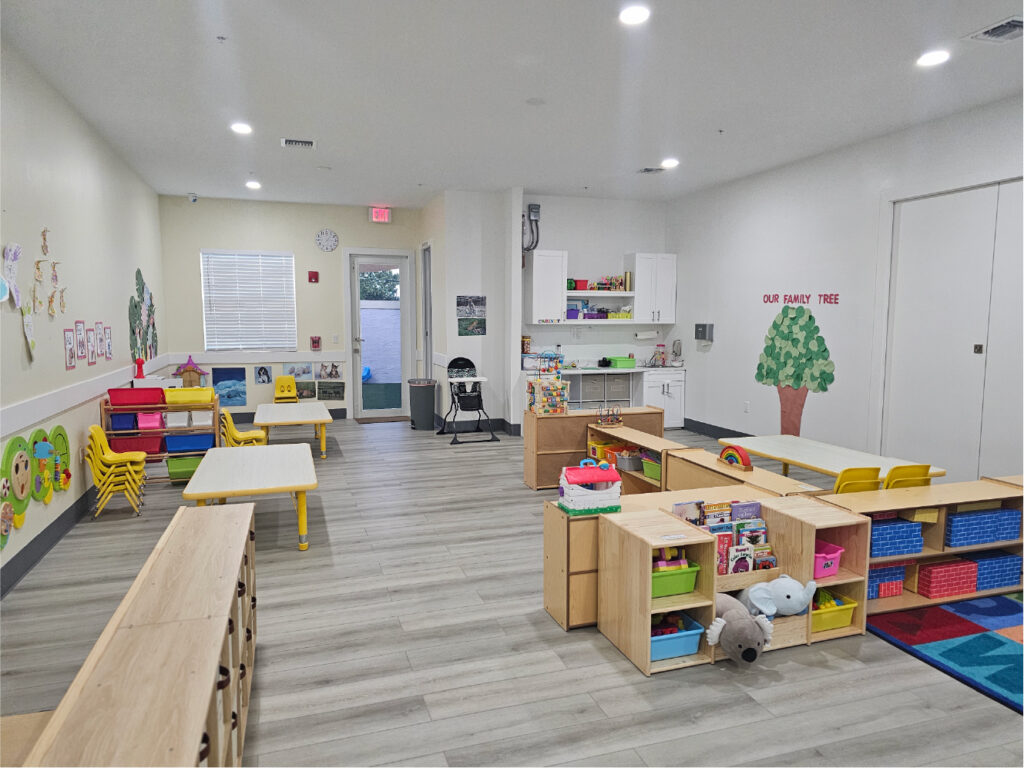
At My First Place Academy, classrooms run in full English and Spanish immersion, from infant care through VPK. That means your child hears both languages through songs, stories and daily routines. Sign language is also used with infants and toddlers, which helps little ones share their needs before they can speak.
A nanny or in-home provider can offer social time too. Playdates, parks and library visits all help. Ask how often your child will be around other children and what that looks like week to week.
Flexibility for Your Schedule
Think about your hours. Some daycare centers keep fixed opening and closing times. Others offer before and after school care for older children. A nanny may adjust start times or stay late for a special event, depending on the agreement. In-home care often follows the provider's own schedule.
If your job has irregular hours, ask each option how they handle early starts or late pickups. A clear written schedule protects both you and the caregiver.
Oversight and Communication
You should know what is happening during the day. Ask how each option shares updates. Daily notes, photos and quick phone calls can all help. Ask how you can visit, too.
At My First Place Academy, the owners Veronica and Aracelly Forero are involved day to day. Our premises are video-monitored, classrooms are connected by a closed-circuit intercom and parents are welcome to tour. The open-door policy invites visits so you can see the day for yourself.
Questions to Ask Any Provider
Before you choose, ask every option the same questions. This makes it easier to compare them side by side.
- What does a typical day look like? Ask for the schedule for each age group.
- What happens when the regular caregiver is sick? Get the backup plan in writing.
- How do you communicate with parents? Ask about daily notes and how to reach someone during the day.
- What safety features are in place? Ask about monitoring, entry rules and outdoor space.
- Can I visit at any time? Ask what the tour process looks like.
- What background checks have been completed? Ask every provider to explain their process clearly.
Where Daycare Often Fits
Daycare works well for many families who want structure, peers and planned activities. It can also suit families who need care at set hours in a steady place. Many parents like knowing that a team shares responsibility for the children in the room.
If you want close contact with peers and a clear learning routine, a center may be the right fit. Compare it with your other options, then decide what matters most for your child.
Where a Nanny or In-Home Care May Fit
A nanny can suit families who want care in their own home. It also helps if your child has a strong need for quiet, one-on-one attention or a very specific routine. In-home care can give a family feel with a small group. Both options may work well for infants or toddlers who do better in a calm setting.
Think about the trade-offs. A nanny can mean more backup planning. In-home care may depend on one provider's schedule. A center offers more people, more structure and a larger peer group.
Visit Before You Decide
A visit tells you more than any brochure. Walk through the classrooms or the home. Watch how caregivers talk with children. Notice whether the children seem calm, busy and engaged. Ask to see the outdoor space and where children nap.
Learn More About Choosing a Daycare
If you are comparing centers in the area, our guide to choosing a daycare in Port St. Lucie covers more questions to ask. Families in Palm City and Stuart often find these steps useful when they compare options across the county.
Next Steps for Your Family
Start by listing what matters most. Consider routine, backup coverage, peers, language, schedule and oversight. Rank those priorities, then compare each option against them. Write down your answers to the questions above so you can review them later.
To see the programs we offer for infants, one, two, three and four year olds, visit our programs page. We also offer before and after school care and summer camp.
Our center is open Monday to Friday, 6:30am to 6:00pm. Call My First Place Academy at (772) 446-4011 to ask about openings and to schedule a tour. Parents are always welcome to visit.
Frequently Asked Questions
Is daycare better than a nanny?
Neither is better for every family. Daycare offers structure and peers, while a nanny offers one-on-one care in your home. Compare routine, backup coverage and flexibility to find the right fit.
What should I ask about backup care?
Ask what happens when the regular caregiver is sick or out. Get the backup plan in writing, and ask who covers the children during that time.
How can I see a program before I decide?
Ask for a tour. At My First Place Academy, parents are welcome to visit, and the open-door policy invites you to see the day for yourself.
Does my child need to speak Spanish to join a bilingual program?
No. The classrooms use full English and Spanish immersion, so children hear both languages through songs, stories and daily routines. Call to ask about openings.
Call (772) 446-4011 to ask about openings
Call My First Place Academy or schedule a tour and see the classrooms in use.